


Essential Guidelines for Effective Busbar Maintenance in Critical Power Systems & Why MET Group Go One Step Further

Critical power systems depend heavily on reliable electrical distribution components to ensure continuous operation. Among these components, busbars play a vital role in conducting large currents efficiently and safely. Proper maintenance of busbars is essential to prevent failures that could lead to costly downtime, equipment damage, or safety hazards. This article explores the key aspects of busbar maintenance in critical power systems and offers practical guidelines to keep these systems running smoothly.
Understanding Busbars and Their Role in Power Systems
Busbars are metallic strips or bars, usually made of copper or aluminum, that conduct electricity within switchboards, distribution boards, and other electrical apparatus. They serve as a central point where electrical power is collected and distributed to various circuits.
In critical power systems—such as data centres, hospitals, industrial plants, and emergency power supplies—busbars must handle high current loads reliably. Any interruption or degradation in busbar performance can cause power outages or equipment failures, which may have severe consequences.
Where Other Contractors Stop — MET Group Goes Further
MET Group is recognised across the UK and Europe as a leader in non‑intrusive energised electrical testing, ultrasonic diagnostics, and advanced reliability engineering.
Here’s what sets MET Group apart:
Specialist Energised Testing (Power Stays On)
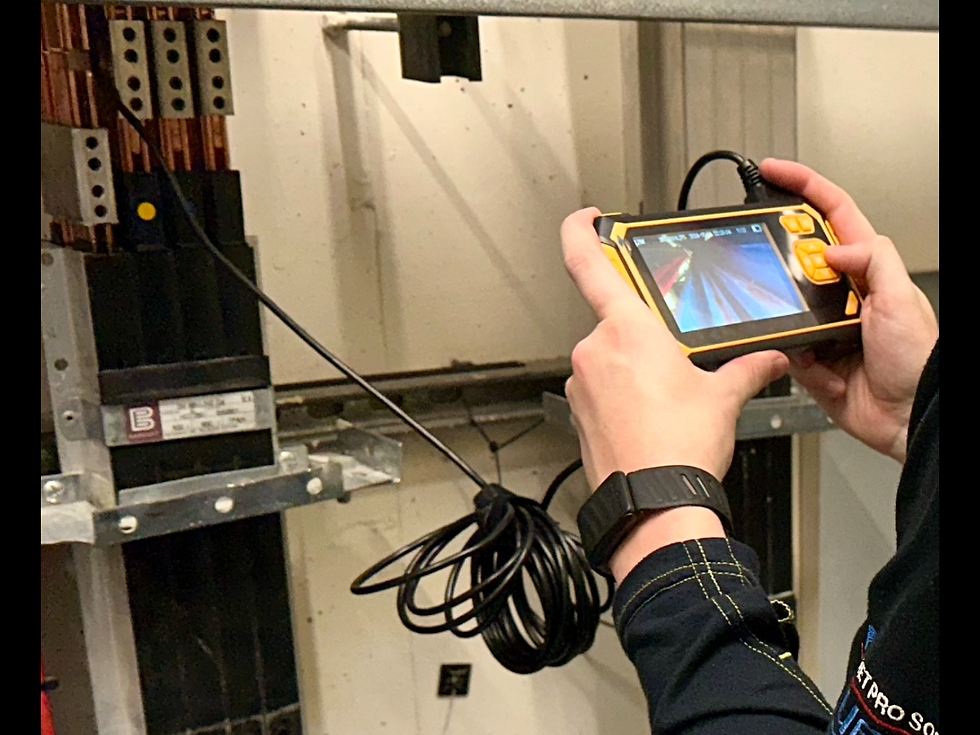
Most contractors cannot test busbars while energised. MET Group can. Using calibrated ultrasonic and thermal diagnostic equipment, engineers inspect busbar joints, connections, and switchgear assemblies without removing covers or disrupting operations. This allows early detection of:
Loose or deteriorating connections
Arcing
Partial discharge
Overheating under load
These issues are often invisible during standard shutdown inspections.
Why Busbar Maintenance Matters
Busbars operate under demanding conditions, including high current flow, temperature fluctuations, and mechanical stresses. Over time, these factors can cause:
Corrosion that increases resistance and heat generation
Loosened connections leading to arcing or short circuits
Insulation breakdown risking electrical faults
Physical damage from vibration or environmental exposure
Regular maintenance helps identify and address these issues before they escalate. Well-maintained busbars improve system reliability, reduce downtime, and extend equipment lifespan.
Key Steps in Busbar Maintenance
Visual Inspection
Start with a thorough visual inspection to check for obvious signs of wear or damage:
Look for discoloration or burn marks indicating overheating
Inspect for corrosion or rust on metal surfaces
Check for loose or missing bolts and connectors
Examine insulation for cracks, brittleness, or contamination
Visual checks should be performed regularly, especially after any unusual events like power surges or mechanical shocks.
Cleaning and Surface Treatment
Dust, dirt, and moisture can accumulate on busbars, increasing the risk of corrosion and electrical leakage. Cleaning involves:
Using dry cloths or brushes to remove dust and debris
Applying appropriate solvents or cleaners for grease or oxidation, following manufacturer guidelines
Ensuring the busbar is completely dry before re-energizing the system
In some cases, applying anti-corrosion coatings or protective films can help preserve the metal surface.
Tightening and Torque Verification
Loose connections are a common cause of busbar failures. Over time, thermal cycling and vibrations can loosen bolts and clamps. Use calibrated torque tools to:
Verify that all connections meet specified torque values
Retighten any loose fasteners carefully to avoid damage
Replace any worn or damaged hardware
Documenting torque values during maintenance helps track trends and identify potential problem areas.
Thermal Imaging and Electrical Testing
Thermal imaging cameras detect hotspots that indicate excessive resistance or poor connections. Conduct thermal scans during normal operation to:
Identify uneven temperature distribution along busbars
Locate potential faults before they cause failures
Electrical tests such as insulation resistance measurement and contact resistance testing provide quantitative data on busbar condition. These tests help confirm the integrity of insulation and connections.
Scheduled Maintenance and Record Keeping
Establish a maintenance schedule based on system criticality, environmental conditions, and manufacturer recommendations. Typical intervals range from six months to one year.
Keep detailed records of all inspections, tests, repairs, and replacements. This documentation supports trend analysis and helps plan future maintenance activities.
Practical Examples of Busbar Maintenance Impact
Data center uptime: A large data center experienced intermittent power interruptions traced to loose busbar connections. After implementing a strict maintenance routine including torque checks and thermal imaging, the facility saw a significant reduction in power faults.
Industrial plant safety: An industrial facility found corrosion on aluminum busbars due to high humidity. Regular cleaning and application of protective coatings prevented further degradation and avoided costly downtime.
Hospital emergency power: Routine busbar inspections in a hospital’s backup power system detected insulation cracks early. Timely replacement prevented a potential failure during a power outage, ensuring patient safety.
Safety Considerations During Maintenance
Working on busbars involves exposure to high voltages and currents. Follow these safety practices:
De-energize the system and verify zero voltage before starting work
Use insulated tools and wear appropriate personal protective equipment (PPE)
Follow lockout/tagout procedures to prevent accidental re-energizing
Train maintenance personnel on electrical hazards and emergency response
Safety protocols protect workers and prevent equipment damage.
Conclusion
Effective busbar maintenance is crucial for the reliability and safety of critical power systems. Regular inspections, cleaning, tightening, and testing help detect issues early and prevent failures. By following a structured maintenance plan and prioritizing safety, facility managers and technicians can ensure continuous power delivery and protect valuable equipment.


Comments